
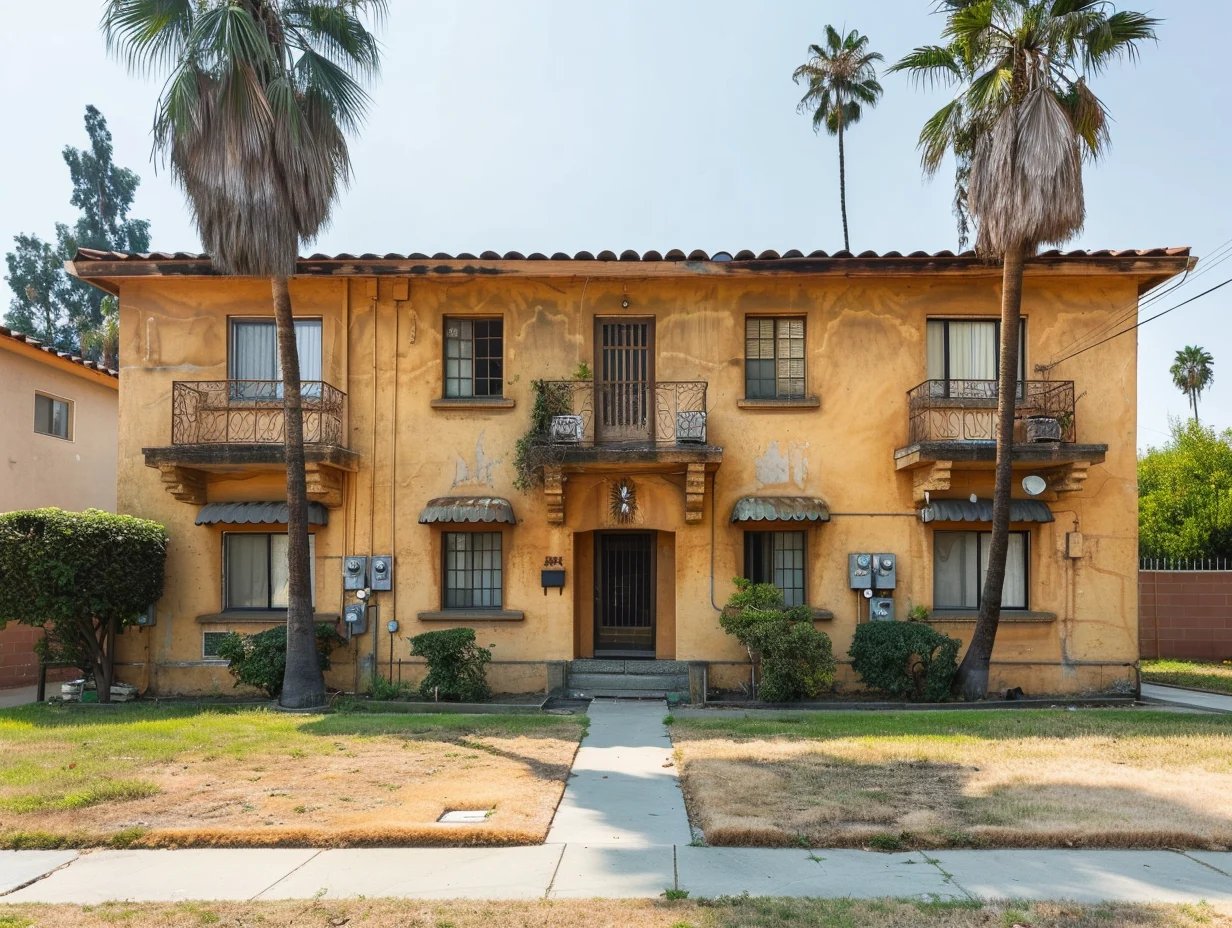
I Help Lenders Navigate and Sell Troubled Los Angeles Apartment Properties
When a borrower’s property enters REAP—or foreclosure leaves you dealing with LAHD violations, tenants, deferred maintenance, or other complications—you need more than a traditional real estate broker.
With 40 years of Los Angeles real estate experience, I help lenders, beneficiaries, servicers, and asset managers evaluate the property, understand the real estate issues, and determine the best path toward a sale.
40 Years LA Real Estate 500+ Escrows REAP LAHD Distressed Properties Multifamily Specialist
When a Los Angeles apartment borrower ends up in REAP, foreclosure, or serious trouble with LAHD, the lender can suddenly find itself dealing with much more than a delinquent loan.
The collateral may have outstanding housing violations, deferred maintenance, reduced rents, tenant issues, open inspections, unpermitted conditions, or significant repair costs.
Before spending money trying to fix everything, it is important to understand the property, its current condition and value, the REAP and LAHD issues affecting it, and the realistic options for disposition.
Identify the property’s REAP status, outstanding LAHD violations, inspections, orders, and other issues that could affect a sale.
Review occupancy, rents, tenants, vacancies, deferred maintenance, and other conditions that may affect value.
Evaluate the property’s value and marketability in its current condition, including the impact of REAP, violations, and needed repairs.
Compare selling as-is with completing selected repairs or resolving issues before bringing the property to market.
The First Question Isn’t Always “How Do We Fix Everything?”
Sometimes the better first question is:
“What is this property worth today, who will buy it, and does spending more money before the sale actually improve the lender’s recovery?”
REAP — the Los Angeles Rent Escrow Account Program — is not simply another property citation.
A property may enter REAP when serious housing violations remain unresolved. Once a property is in the program, the issues can affect rental income, property operations, repair decisions, marketability, and ultimately the lender’s recovery.
For a lender dealing with a troubled loan or foreclosure, the important question is not just why the property entered REAP. It is how the REAP case affects the collateral today and what needs to happen next.
A property does not necessarily have to exit REAP before it can be sold.
Depending on the property, its condition, the violations, the tenants, and the economics of the transaction, selling while the property remains in REAP may be an option.
The key is understanding what a buyer will be taking on, how the unresolved issues affect value, whether financing is available, and whether spending additional money before the sale actually improves the lender’s recovery.
The buyer pool may be different and the property may require specialized positioning, but experienced multifamily investors may be willing to purchase a property with unresolved REAP and LAHD issues when the risks, costs, and responsibilities are clearly understood.
The goal is not automatically to “fix everything.” The goal is to determine the most practical path from troubled collateral to a completed disposition.
Give me the property address, lender information, and loan balance. From there, I investigate the REAP case, LAHD issues, property history, tenants, rents, physical condition, and market data to determine a realistic cash as-is investor price and develop a strategy to get the property sold.
Phase One
Send me the property address, lender/company contact information, responsible decision-maker, current loan balance, foreclosure status, and whatever REAP or LAHD information you already have.
I review the available deed of trust, foreclosure/trustee documents, title information, REO documentation where applicable, and other relevant documentation to understand the lender’s position and who has authority to act.
I prepare the appropriate REAP/LAHD request and authorization paperwork and coordinate with the lender’s responsible authorized party for the necessary signatures.
Once authorized, I submit the request and follow up with REAP/LAHD to obtain available REAP escrow/accounting information, outstanding fees, violations, case information, inspections, orders, and other relevant LAHD information.
Phase Two
I research building and permit records, prior MLS listings, historical sales, Google Earth and historical imagery, property records, unit information, prior marketing, and other available sources to understand the history of the asset.
I analyze occupancy, current rents, vacancies, tenant circumstances, REAP rent reductions where applicable, and other issues that could affect income, access, value, or a sale.
I evaluate the current property condition, deferred maintenance, known violations, apparent unpermitted conditions, major building issues, and other physical problems a prospective buyer will need to understand.
I analyze comparable sales, distressed-property transactions, rents, occupancy, REAP/LAHD issues, physical condition, investor activity, and other relevant factors to determine a realistic cash as-is investor price for the property in its present condition.
Phase Three
Identify experienced multifamily investors, distressed-property buyers, developers where appropriate, and other cash buyers capable of evaluating and purchasing the asset with its existing issues.
Organize the relevant REAP/LAHD information, property research, tenant and rent information, property history, known violations, and physical-condition information so serious buyers can properly evaluate the asset.
Establish pricing, positioning, marketing approach, targeted buyer outreach, and offer strategy designed to expose the property to the appropriate investor pool.
Market the property, vet prospective buyers, analyze offers, manage due diligence, coordinate with the lender and other parties, and shepherd the transaction through escrow, title, and closing.
My job is to uncover what you’re dealing with, determine a realistic cash as-is investor price, package the asset properly, and create a clear path from troubled collateral to a completed sale.
CALL DERRICK (310) 308-3174A lender-owned apartment property can look straightforward on paper. But when REAP, LAHD violations, tenants, deferred maintenance, questionable improvements, or years of unresolved property issues are involved, the transaction can become complicated very quickly.
The broker needs to understand more than comparable sales.
I dig into the history of the property, the REAP and LAHD issues, tenant and rent information, permits and building records, prior listings and sales, physical condition, title considerations, and the concerns sophisticated investors are likely to raise during due diligence.
The objective is to identify potential problems early, package the asset intelligently, and give qualified buyers the information they need to evaluate the property and make an informed as-is offer.
They need investigation, documentation, the right buyer pool, and a broker who understands how the pieces fit together.
Experience investigating REAP cases, violations, accounting, inspections, and outstanding housing issues that can affect a sale.
40 years of Los Angeles real estate experience, including extensive apartment and investment-property transaction experience.
Experience evaluating occupancy, rents, RSO, tenant issues, and other Los Angeles rental-property factors that can affect value and disposition.
Experience working through deferred maintenance, violations, vacancies, unusual property conditions, title issues, financing challenges, and difficult escrows.
Understanding how experienced multifamily and distressed-property investors evaluate risk and price troubled assets.
More than 500 escrows completed, with experience navigating due diligence, title, financing issues, negotiations, and closing.
I have handled Los Angeles multifamily sales involving REAP, LAHD violations, significant property problems, tenants, deferred maintenance, and other complications.
Sold While Still in REAP
This Venice multifamily property had been in REAP for approximately six years and still had outstanding property and SCEP-related issues when it was sold.
The seller did not complete all of the outstanding work or wait for the property to exit REAP before selling.
Instead, the property was marketed with the existing issues disclosed and a buyer was found who understood the situation and was willing to take responsibility for completing the remaining work after the sale.
Sold While Still in REAP
The buyer agreed to take responsibility for completing the remaining work after the sale.
The transaction closed with conventional financing and title insurance.
See how this Los Angeles property was sold while it was still in REAP and why unresolved REAP issues do not necessarily make a property unsellable.

The key is understanding the REAP and LAHD issues, determining a realistic cash as-is investor price, and finding a buyer capable of evaluating and taking on the property in its current condition.