
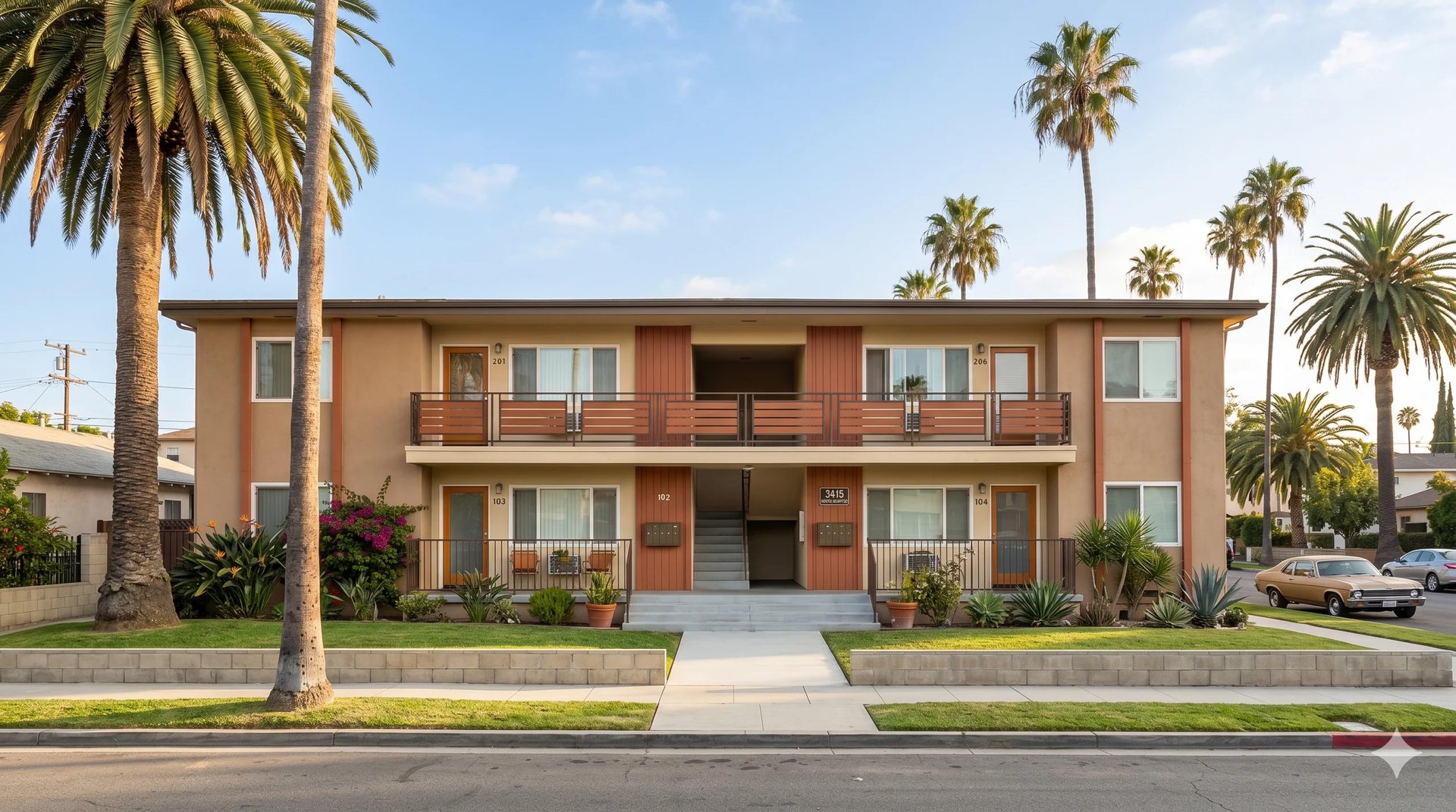
SERVING LOS ANGELES APARTMENT BUILDING OWNERS SINCE 1986
Whether your building is tenant occupied, rent controlled, has multiple vacancies, is in SCEP or REAP, inherited, or needs major repairs, I'll help you maximize your sale price while avoiding costly mistakes.
Los Angeles is one of the most heavily regulated apartment markets in the country. Between rent control restrictions, SCEP inspections, tenant protections, capital gains exposure, and local transfer taxes — selling an apartment building here requires more than just listing it on the MLS and waiting for offers.
Most owners know their property has value. What they're often unsure about is when to sell, how to prepare, and whether the timing makes sense given their financial and personal situation. Those are the right questions — and they don't have easy answers without the right information.
This page draws on decades of direct experience selling and guiding landlords. The goal is to give you a clear picture of what the process actually looks like — and what decisions matter most before you move forward.
If you're considering selling, it's important to understand how all the moving parts come together before making a decision.
Get the Seller's GuideReport will be sent shortly.
Understanding Your True Property Value
Market value isn't just based on comparable sales — it depends on your rent roll, unit mix, expenses, and local demand. A proper valuation considers all of these factors.
Estimating Your Net Proceeds After Taxes
Gross sale price and net proceeds are very different numbers. Capital gains, depreciation recapture, and transfer taxes can significantly reduce what you actually walk away with.
Timing the Market and Your Personal Goals
The best time to sell isn't always when the market peaks — it's when your situation aligns. Retirement planning, estate needs, and management fatigue all factor in.
Preparing Financially and Operationally
Buyers scrutinize financials, rent rolls, leases, and maintenance history. Disorganized records can slow a deal or reduce your offer price.
Avoiding Costly Mistakes
Pricing too high, accepting the wrong buyer, or missing key disclosures can derail a sale. Knowing what to avoid is as important as knowing what to do.
Not every preparation step is worth the investment — but some can meaningfully increase what buyers are willing to pay.
Raise Rents to Market Levels
Investors buy based on income. If rents are below market, your cap rate and price per unit are compressed. Even modest rent increases can have a significant impact on valuation.
Strategic Tenant Relocations (Cash-for-Keys)
In some cases, buying out long-term tenants with significantly below-market rents can reset the rent roll and attract a broader buyer pool at a higher price point.
Complete Key Repairs and Maintenance
Deferred maintenance raises red flags during inspection and gives buyers negotiating leverage. Addressing critical items before listing protects your asking price.
Organize Financials and Documentation
Clean, well-documented financials build buyer confidence. Rent rolls, operating statements, leases, and maintenance records should all be organized before you go to market.
Position the Property for Investor Demand
The right marketing targets the right buyers. Institutional investors, 1031 exchange buyers, and local operators have different priorities — and your broker should know how to reach all of them.
Strategy & Valuation
We review your property, rent roll, and goals to establish a realistic price range and a tailored selling strategy before anything goes public.
Preparation & Marketing
We prepare your offering materials and market the property to a targeted network of qualified buyers — both on and off market.
Negotiation & Offer Selection
We evaluate all offers not just on price, but on buyer strength, contingencies, and deal certainty — then negotiate to protect your position.
Escrow & Closing
We manage the escrow process closely — coordinating inspections, tenant matters, title issues, and all closing requirements to get you to a clean close.
See how a 14-unit LA apartment deal like this actually comes together → See the case study
Not every real estate agent has the experience to handle a multifamily sale in Los Angeles. The broker you choose can directly affect how your sale proceeds — and what you net at the end.
Deep Multifamily Experience
Derrick Ruiz has completed hundreds of multifamily transactions across Los Angeles, with a focus on the Westside. That track record matters when you're negotiating a complex deal.
Knowledge of LA Rent Control and Local Regulations
RSO, Just Cause Eviction, SCEP, and local transfer taxes are all factors that affect value and deal structure. You need a broker who understands these deeply.
Ability to Solve Title, Tenant, and Legal Issues
Many transactions hit obstacles mid-escrow. Experience dealing with title defects, tenant disputes, and legal complications is what keeps a deal together.
Strong Marketing and Buyer Network
Access to a qualified network of active buyers — including 1031 exchange investors, private equity, and local operators — creates competition and drives price.
Negotiation Expertise
Knowing when to push, when to hold, and how to counter is a skill developed over hundreds of transactions — not something you can replicate with limited experience.
Some Los Angeles apartment owners benefit from holding long-term. Others reach a point where ongoing challenges begin to outweigh the upside.
In many cases, the decision isn't obvious — it comes down to understanding your specific situation and options.
Most properties come with complications. The goal isn't to avoid them — it's to work through them without letting them kill the deal.
Selling a Property in REAP
Many owners believe a property in REAP can't be sold. Learn how REAP affects pricing, financing, buyer demand, and the strategies that help owners sell successfully.
Can You Sell a Property in REAP?Title Problems and Ownership Issues
Liens, clouded title, estate complications, and co-ownership disputes are common — and solvable with the right team.
Tenant Challenges and Low Rents
Problem tenants, non-payment, or significantly below-market rents can affect value — but there are structured ways to address these before or during a sale.
Deferred Maintenance Concerns
We help sellers prioritize which repairs matter to buyers and which ones can be addressed through price adjustments rather than costly pre-listing fixes.
Tax Strategy and 1031 Exchange Guidance
We work closely with sellers and their CPAs to structure transactions with tax implications in mind, including 1031 exchange timelines and identification strategies.
SCEP & REAP Compliance
SCEP inspections, REAP status, violations, and compliance issues can affect pricing, financing, and buyer confidence—but they don't have to prevent a successful sale.
Learn About SCEP & REAPTenant situations, rent control, and compliance issues can significantly impact both your sale price and buyer interest. Understanding how these factors are evaluated before going to market can make a substantial difference in your outcome.
Download the Seller's GuideReport will be sent shortly.
In Los Angeles, many apartment owners don't seriously evaluate selling until a major issue forces the decision — a failed inspection, REAP placement, tenant problems, or mounting repair costs.
By that point, options are often more limited and more expensive.
Looking at your options earlier — even if you ultimately decide to hold — can give you more control, better timing, and a stronger outcome.
Every property — and every situation — is different.
Before making a decision, it helps to understand:
A short conversation can help you get clarity and avoid costly mistakes.
If you want to see how a real LA apartment building sale like this actually plays out, you can review a recent 14-unit case study →
If you're even considering selling, the first step is understanding your options, value, and strategy. Click below or just call me (310)308-3174
Request A Property EvaluationNo obligation. Completely confidential.